


How to Start a T-Shirt Brand in 2026
A complete beginner-friendly guide to building a successful t-shirt brand from idea to production.

Starting a t-shirt brand is one of the most accessible ways to enter the fashion industry. With relatively low startup costs and simple production processes, t-shirts are often the first product new brands choose to launch.
However, while the barrier to entry is low, competition is extremely high. Many brands fail not because of poor ideas, but because they lack strategy, differentiation, and execution.
In 2026, successful t-shirt brands are built around strong identity, clear positioning, and consistent quality. Customers are no longer impressed by simple logo prints — they are looking for meaning, design, and value.
This guide will walk you through the exact steps to start a t-shirt brand, helping you turn your ideas into real, sellable products.
What you’ll learn:
- How to create t-shirt designs that stand out
- Different t-shirt printing methods explained
- How to choose the right fabric and fit
- How to find a reliable t-shirt manufacturer
- How to move from sample to production
Content
1. Define Your T-Shirt Brand Concept
Before designing anything, you need a clear brand direction. Are you targeting streetwear, minimalist fashion, or niche communities? Your concept will determine your design style, pricing, and marketing approach.
Understanding your audience is critical. Think about their lifestyle, preferences, and what kind of message your brand communicates.
If you’re new, you can read our full guide on how to start a clothing brand for a broader understanding.
2. T-Shirt Design & Printing Methods
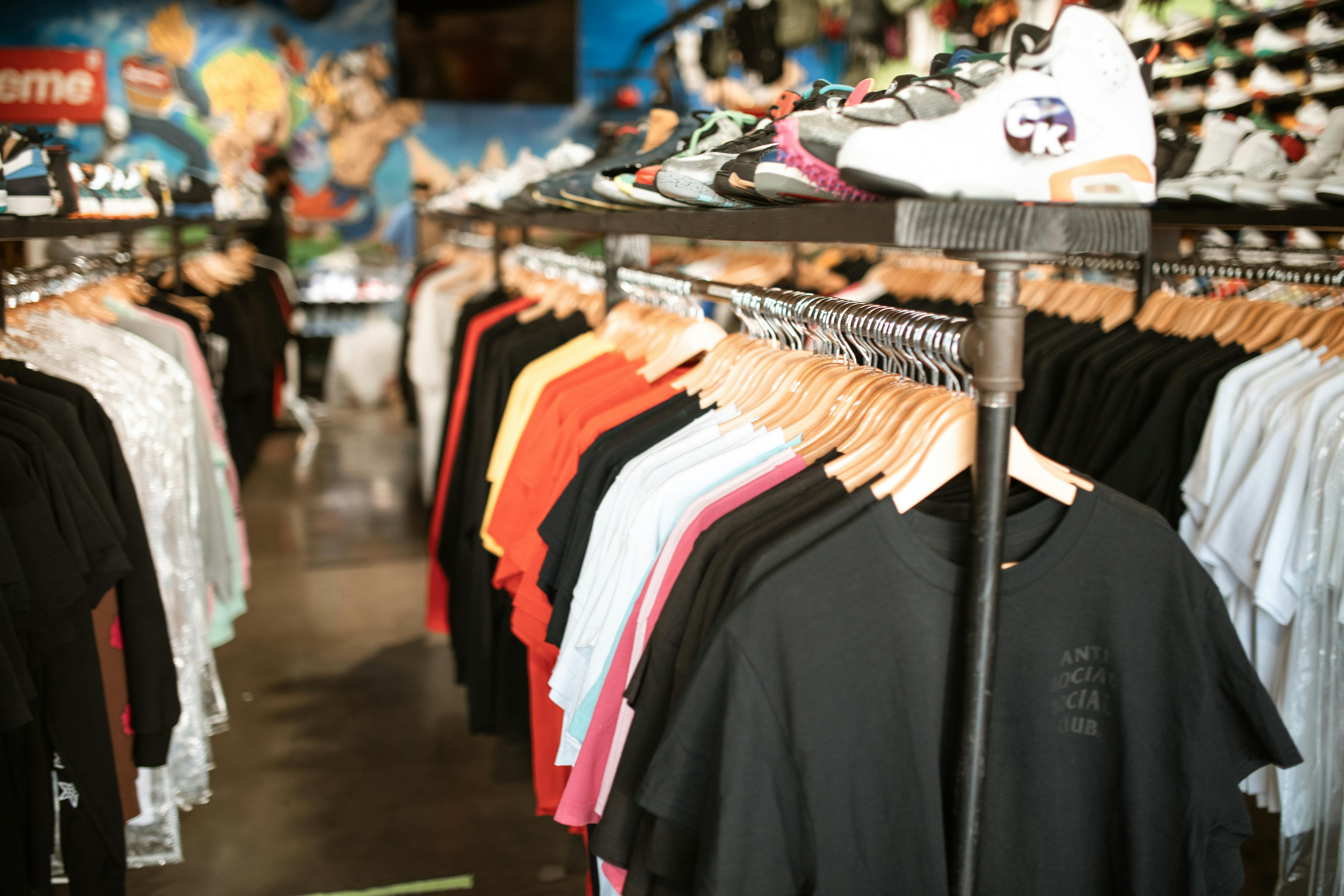
Design is the core of your t-shirt brand. But beyond design, you also need to understand printing techniques, as they affect cost, quality, and scalability.
- Screen Printing – Best for bulk orders and durability
- DTG (Direct to Garment) – Ideal for detailed designs and small batches
- Heat Transfer – Flexible but less durable
Your choice depends on your budget and brand positioning. For more inspiration, check our guide on clothing design ideas.
3. Choosing Fabric & Fit
Fabric and fit directly impact how your t-shirts feel and how customers perceive your brand. Cotton is the most popular choice, but blends can offer additional benefits like durability and stretch.
Fit is equally important. Oversized, slim, and regular fits each appeal to different audiences.
You can learn more in our guide on best fabrics for clothing brands.
For deeper textile knowledge, visit Textile School.
4. Finding a T-Shirt Manufacturer
| Factor | What to Look For |
|---|---|
| MOQ | Low minimum order for startups |
| Quality | Consistent production standards |
| Experience | Specialization in t-shirt production |
Choosing the right manufacturer ensures your designs are produced correctly and on time.
Read our guide on how to find a clothing manufacturer for more details.
5. Sampling & Bulk Production
Sampling is where your design becomes reality. This stage allows you to test quality, fit, and print accuracy before committing to bulk production.
Never skip revisions. Small improvements at this stage can prevent major issues later.
Once approved, you can move into bulk production and prepare for your product launch.
Ready to launch your t-shirt brand?
Conclusion
Starting a t-shirt brand is one of the most practical ways to enter the fashion industry. With the right approach, even a simple product can become a powerful brand.
Focus on strong design, quality materials, and reliable manufacturing partners. These factors will determine your success.
Work With a Trusted T-Shirt Manufacturer
At Senhai Apparel, we help startups create high-quality custom t-shirts with reliable production and flexible MOQ.
From design to bulk manufacturing, we support your brand at every stage.
- ✓ Low MOQ for startups
- ✓ Fast sampling
- ✓ High-quality printing
- ✓ Stable production timelines


